MediaTech Direct Fulfillment Portal
An e-commerce fulfillment platform that lets customers upload media, our pipeline transcodes it, and a fulfillment team ships personalized videobook devices.
Stack
About MediaTech Direct
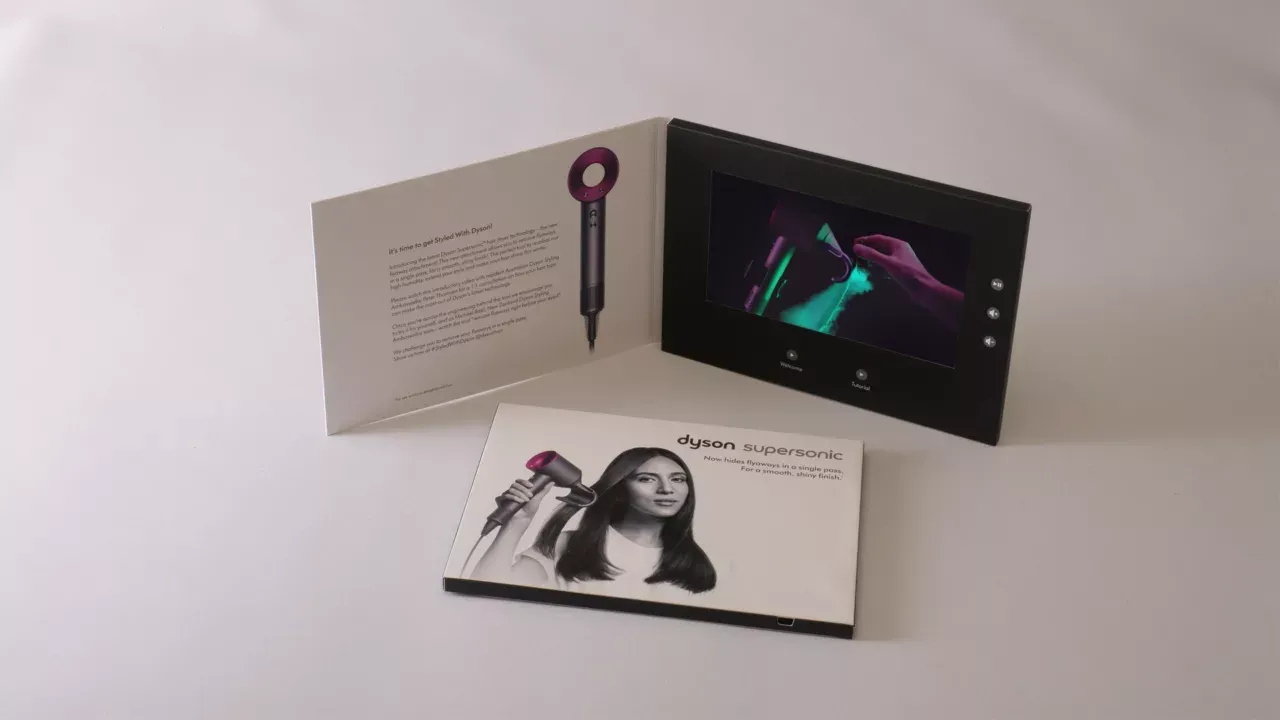
MediaTech Direct makes personalized video gifts called videobooks: a hardcover book with a built-in screen that plays a video when opened. Brands and foundations use them as high-touch outreach. The book ships with the recipient’s video already loaded on the device.
Every order is bespoke. Customers upload media; the company transcodes it, loads the hardware, and ships the finished product. The portal I built is what runs that flow end to end.

Problem
A personalized-gifting company needed customers to upload videos and photos, have those files automatically transcoded for their embedded videobook devices, and have a fulfillment team preload the media onto the hardware before shipping. Multiple customers uploading large media files at once made the app unresponsive. A single corrupted file could break the whole pipeline. The fulfillment team needed optimized media onto USB-connected devices without manual file-shuffling.
Approach
Uploads stream directly from the browser to an inbound cloud bucket. The app stays responsive under load because nothing buffers through the application servers. Transcoded output lives in a public bucket keyed by UUID, with metadata in the database.
A job-processing system uses the database as the broker. Each upload becomes a job. A corrupted file fails one job, not the queue. Workers process independently and scale separately from the web tier.
Web, database, and media-optimization servers each scale horizontally on their own. The frontend ships role-specific bundles for customers, the fulfillment team, and management.
On the fulfillment side, a technician plugs a videobook into a USB port and the browser writes optimized media directly to it via the File System API. No intermediate downloads, no manual file handling.
Integrations: BigCommerce for orders, Stripe for payments, Slack for ops notifications, Twilio for SMS. EdgeDB carries customer data and file metadata; the typed query builder paid back its cost as the schema grew.
Outcome
An all-in-one platform used by customers, fulfillment staff, and management with role-specific views and permissions. In continuous production from April 2023 through January 2026, with the streaming uploads and the USB-write workflow proving out under real customer load.
QRBlooms
QRBlooms is the second product running on the same pipeline: personalized QR codes that resolve to custom video pages, orderable in bulk.
The transcoding pipeline, the database-as-job-broker, the UUID-keyed media bucket, the role-bundled frontends: none of it had to change. QRBlooms plugged into the same flow and added its own product surface on top. The architectural choices that kept MediaTech responsive under concurrent uploads are what let a second product ship as a feature rollout instead of a rewrite.