Ropella360 Suite
Six years building a suite of over a dozen applications for an executive search firm: information-dense dashboards, candidate assessment platforms, and document packaging workflows used daily by recruiting professionals.
Stack
About Ropella Group
Ropella Group is an executive search firm specializing in the chemical industry. They recruit senior leadership for specialty chemical, polymer, and coatings companies. The firm runs a high-touch recruiting process built on research, candidate identification, candidate packaging, and presentation. A mix of off-the-shelf and bespoke software is the daily operational backbone which ties everything together.
Problem
An executive search firm specializing in the chemical industry needed in-house engineering capability without an in-house engineering team. The existing stack was a mix of brittle legacy PHP applications and a backlog of features and issues that needed modern SDLC processes.
Their IT employee had created most of the internal software being used: pipeline tracking, candidate flow, custom document output, etc. When they left, the chewing gum and duct tape started to wear thin and they needed someone with real software chops to modernize and maintain their applications and processes.
Approach
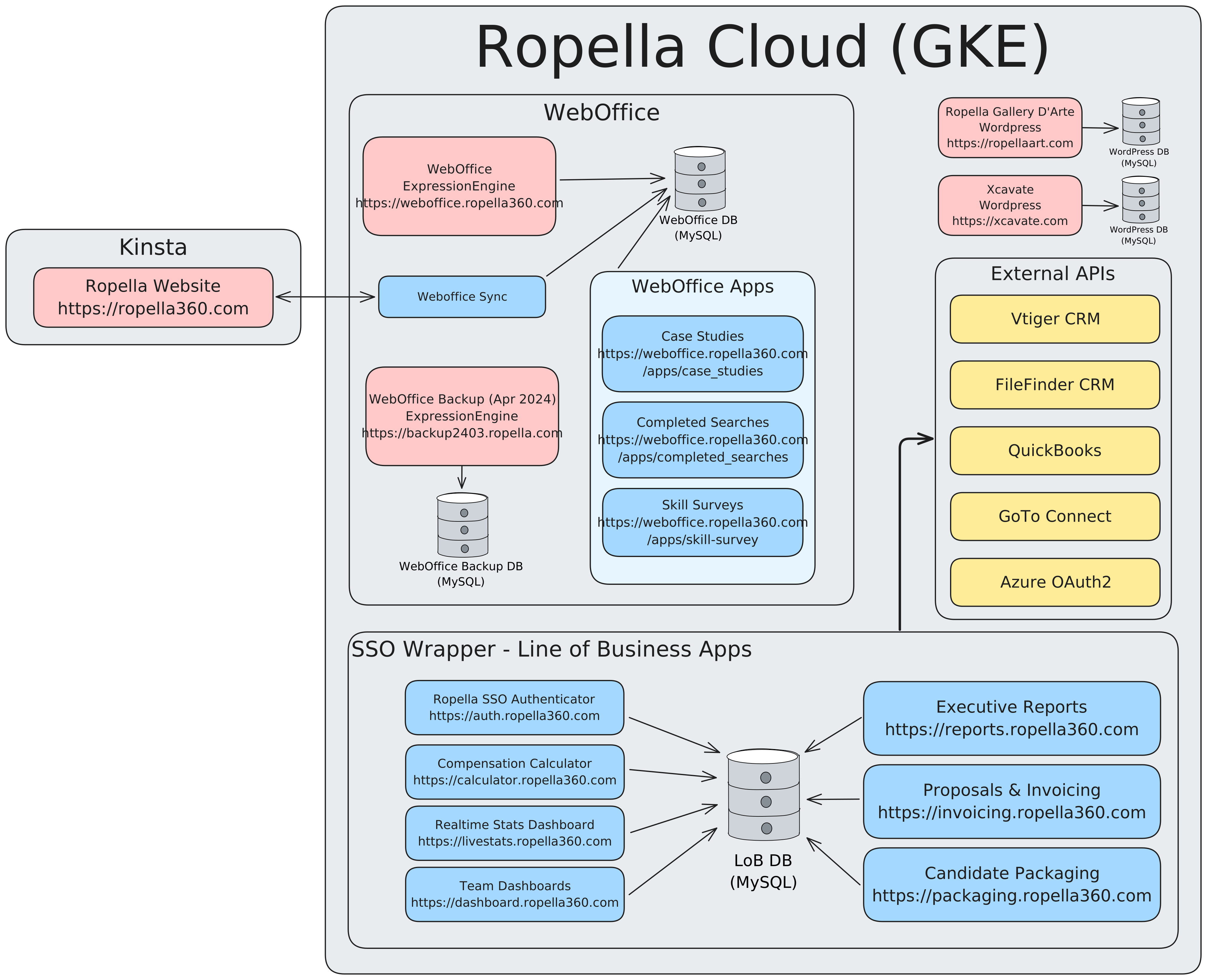
Replacing the legacy PHP wholesale would have been a multi-year effort with everything else paused. Instead, shared base Docker images, Terraform-managed infrastructure, and common libraries for CRM access and data types let PHP and TypeScript pieces interoperate without tight coupling and expensive migrations. A bespoke nginx authentication proxy put Azure OAuth2 single sign-on in front of any line-of-business app without changing its code, giving the whole suite an intranet without a VPN.
The internal dashboards are information-dense and real-time. A caching layer in front of the database keeps daily-use pages snappy under sustained reads.
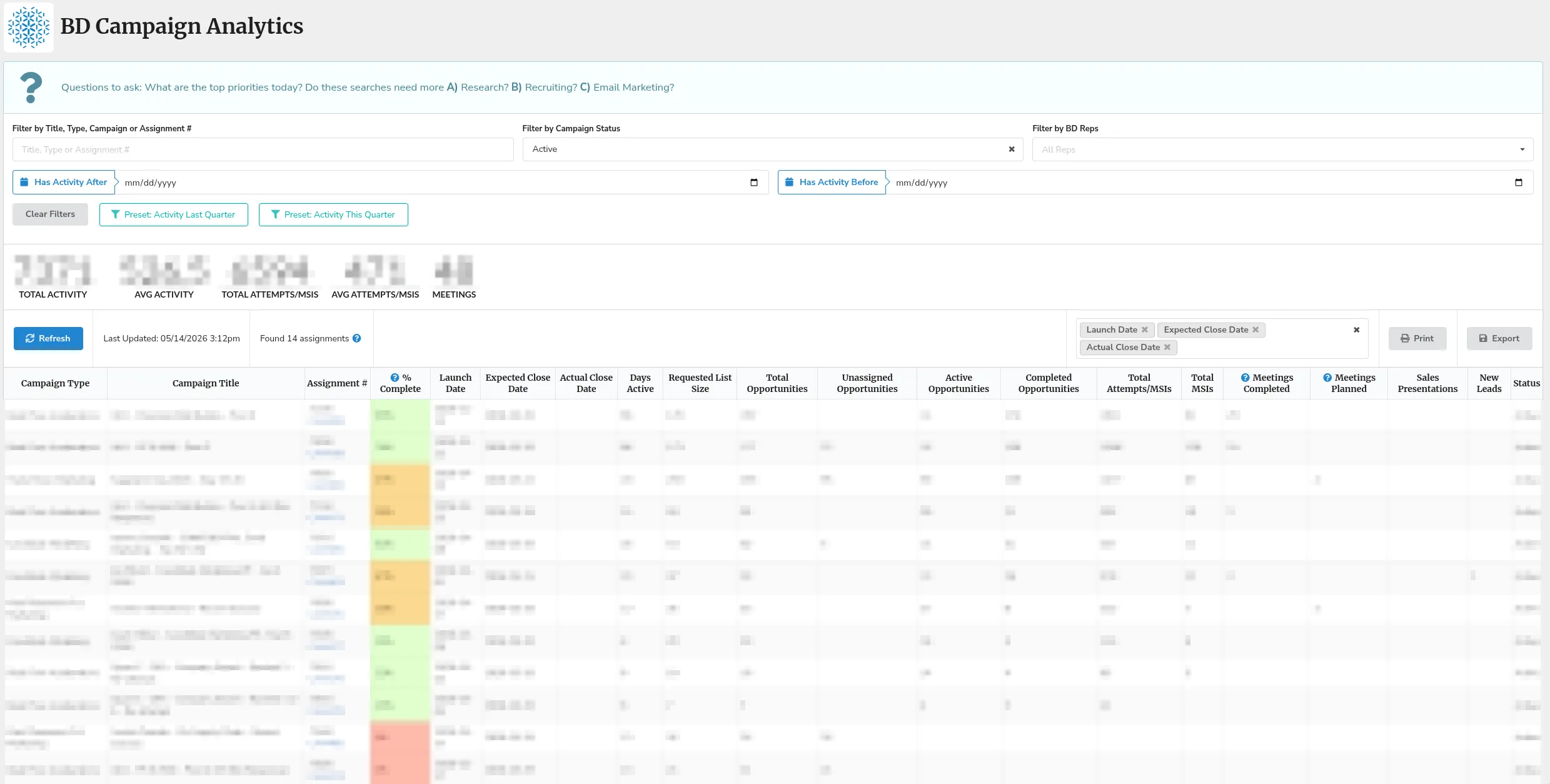
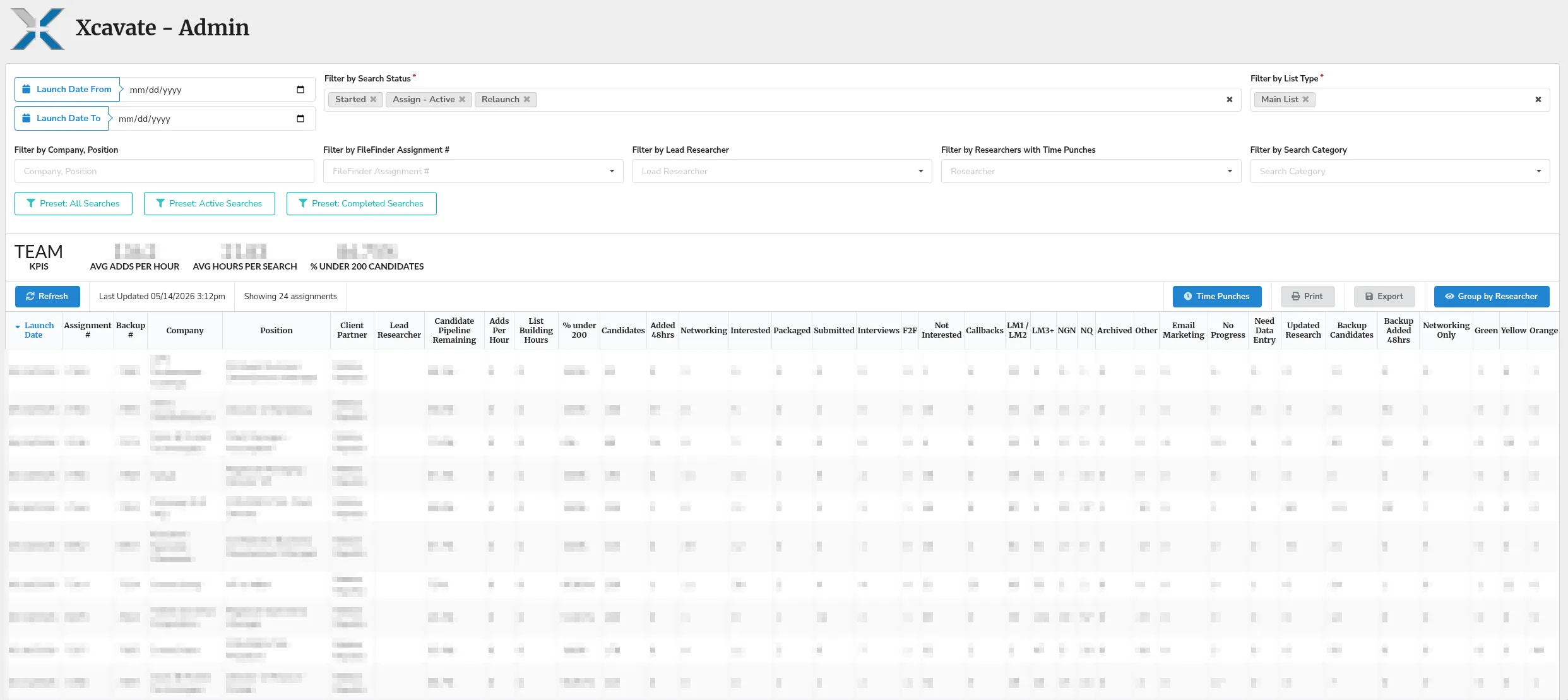
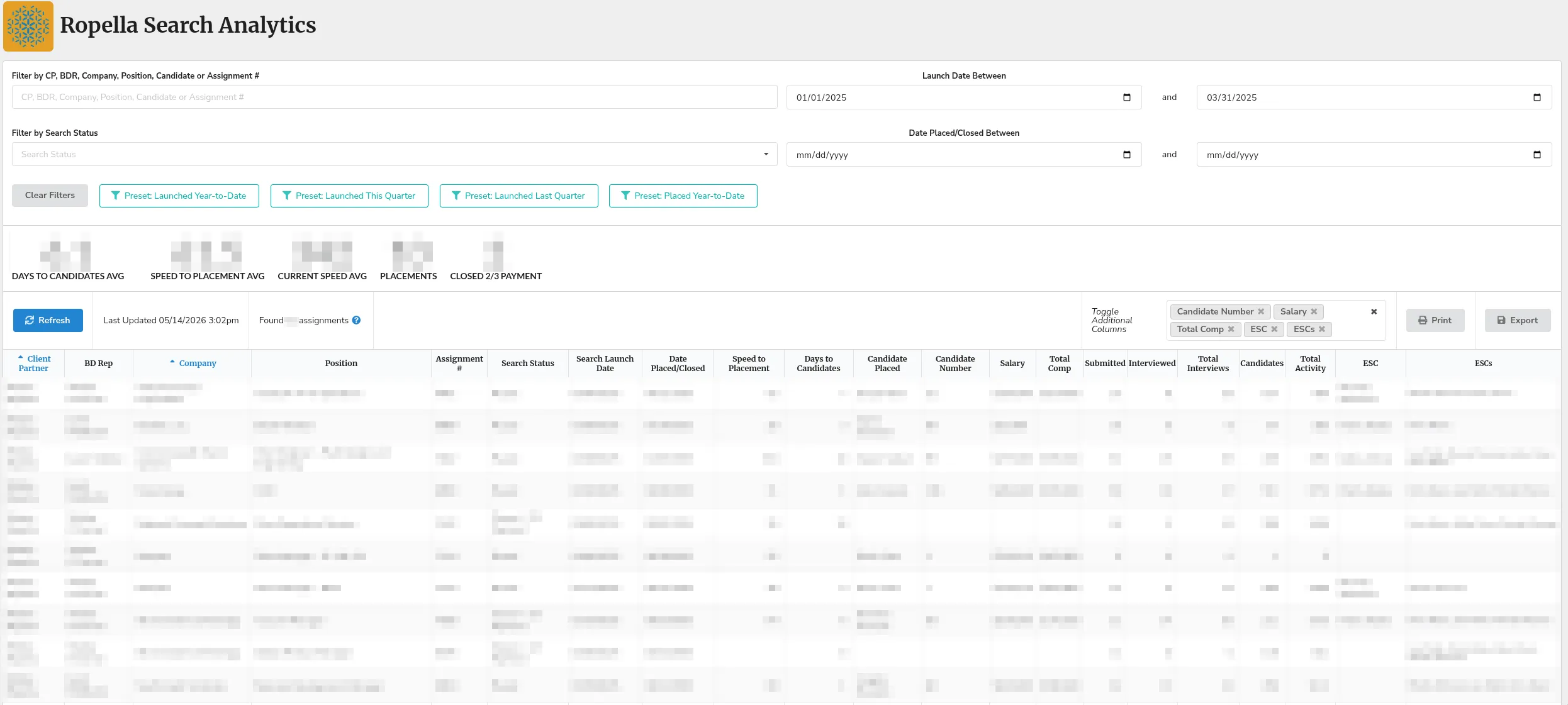
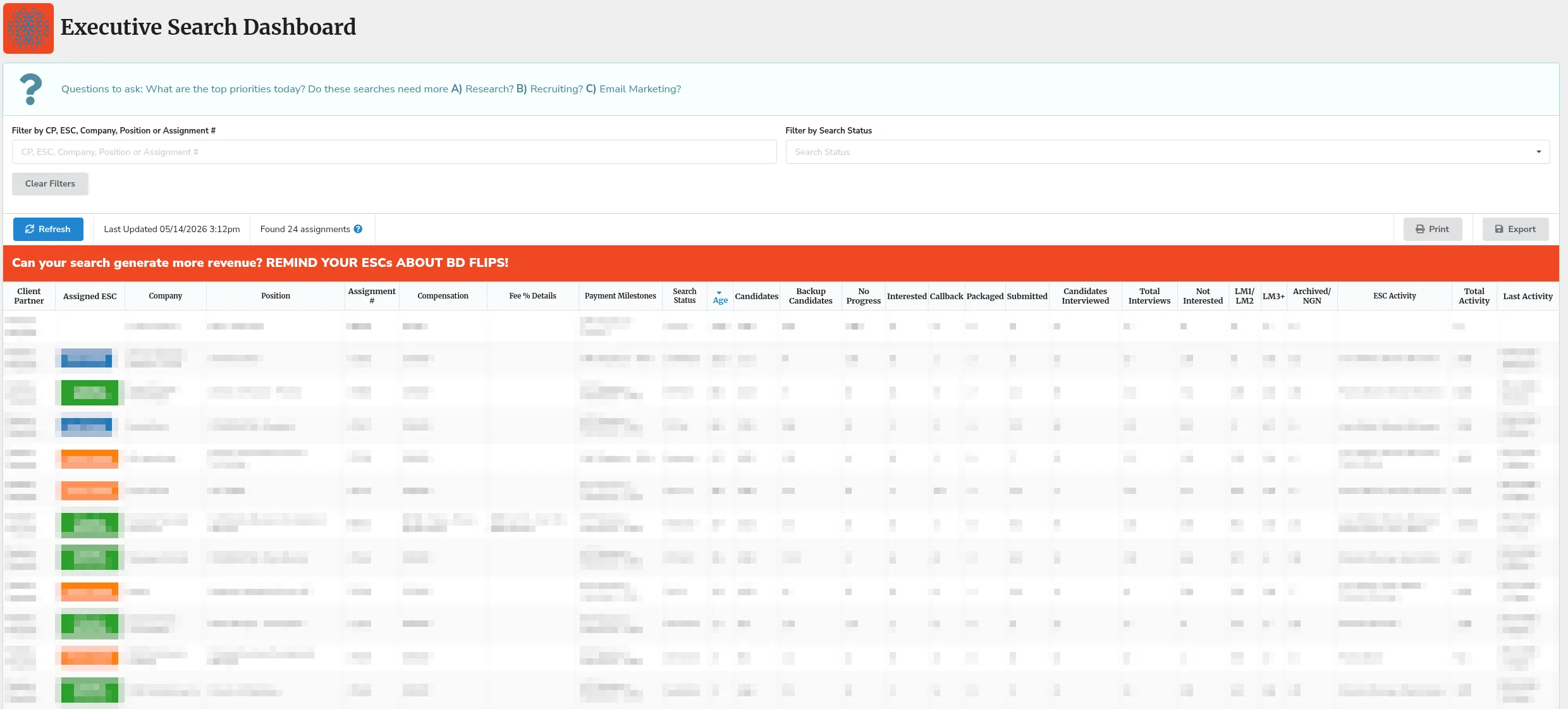
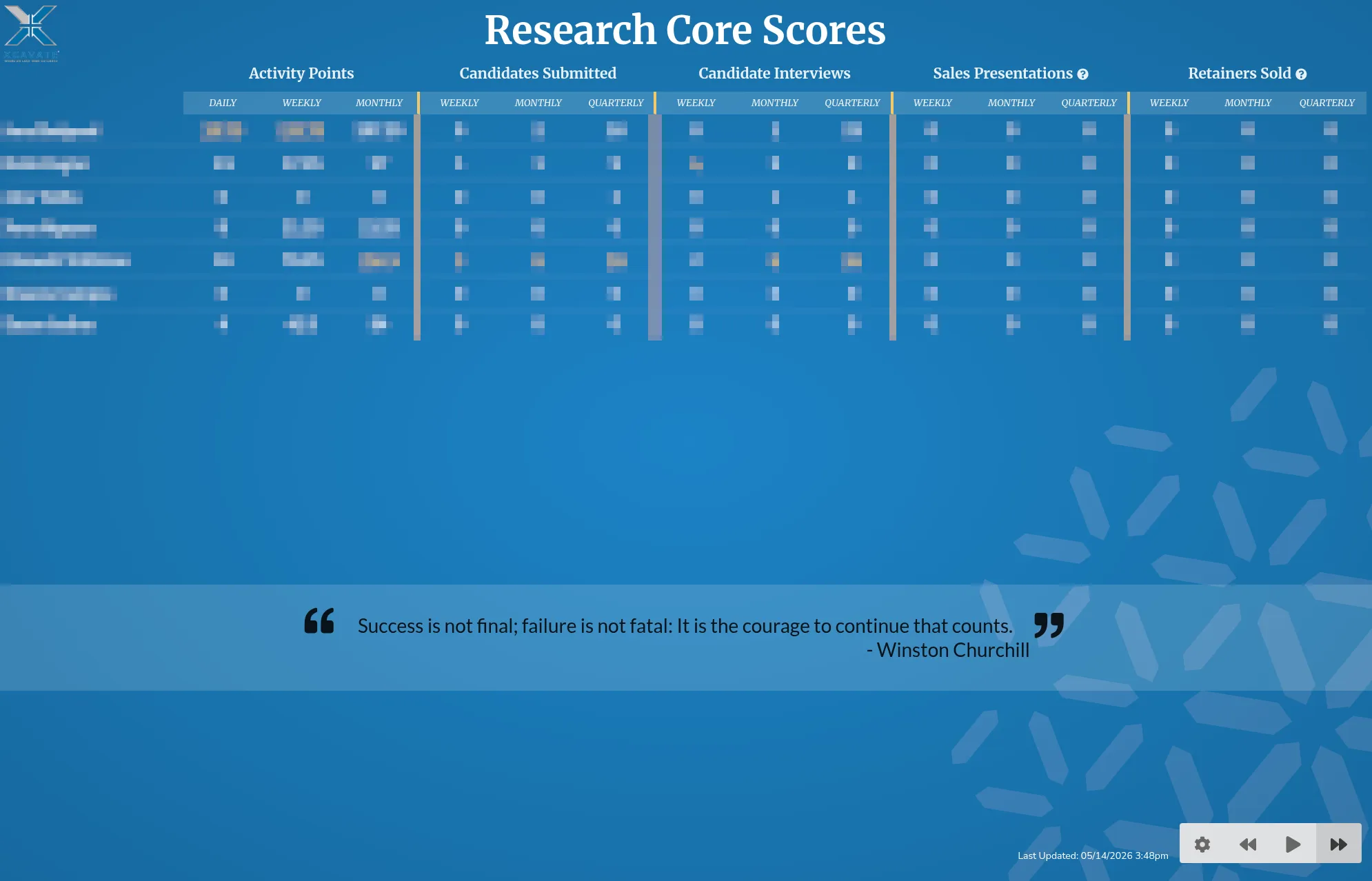
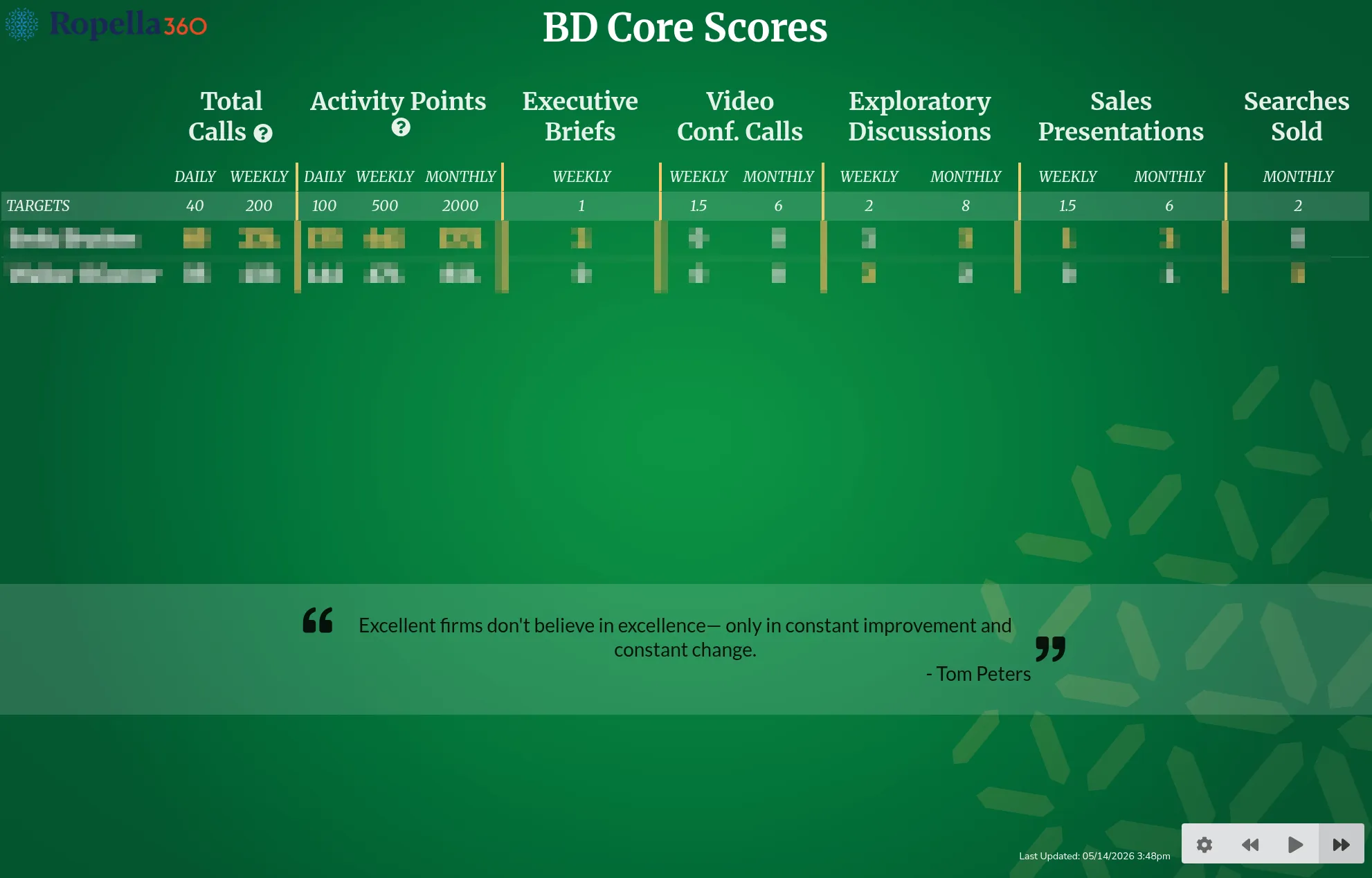
One of them drives a stats wall on monitors around the office: call metrics pulled from the VoIP provider’s API, per-person numbers recomputed live and rotated between teams.
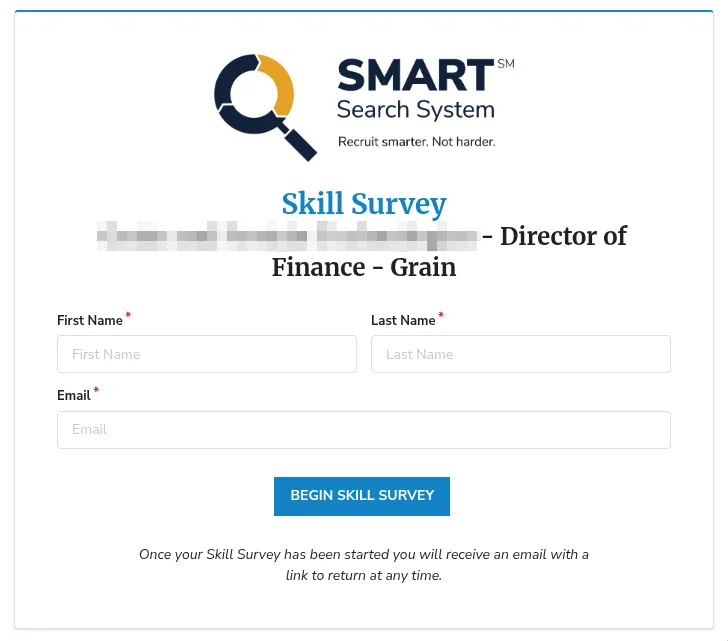
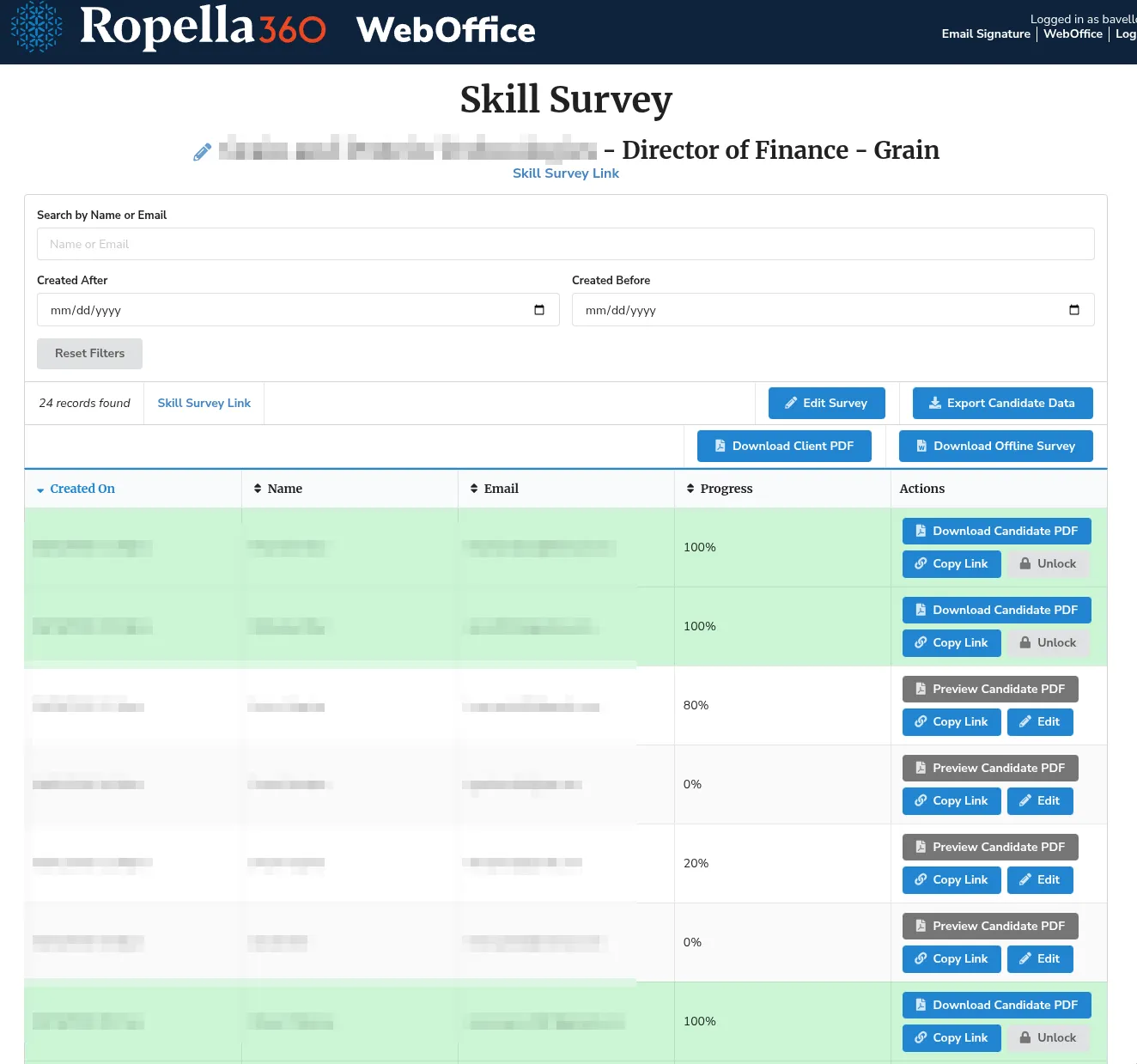
The Skill Surveys platform is public-facing. Candidates take assessments by progressive disclosure, TurboTax-style, one question at a time. Completed surveys export to PDF and feed straight into packaging.
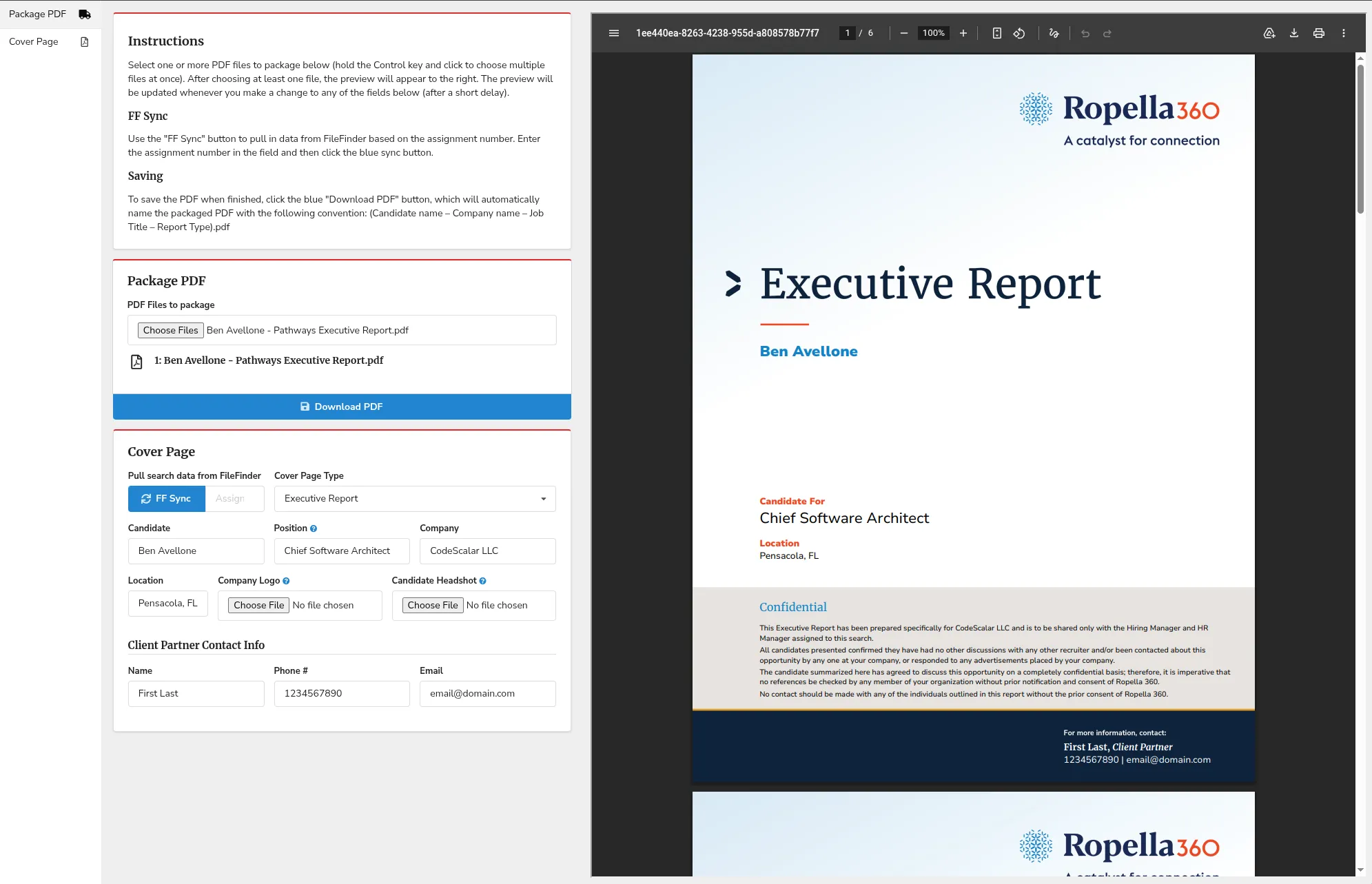
Candidate Packaging assembles PDFs dynamically: take multiple uploaded documents, merge them, inject custom cover pages and headers/footers, output a single client-ready package.
The Compensation Calculator models a full package (salary, bonus, 401(k), pension, benefits cost, equity, relocation) and sets a candidate’s current compensation against a prospective offer, computing the difference line by line into a client-ready PDF. The hard part is the domain model: compensation arrives in shapes that don’t line up cleanly, and the comparison is only as good as the modeling underneath.
Outcome
Six years as the in-house engineering function for the firm. Over a dozen applications across the suite, used daily by the C-suite, managers, and recruiters. Shared infrastructure (Terraform modules, Docker base images, CRM client library) has carried the suite through several feature waves without a rewrite.